Victoria’s softer new home market puts lead conversion under pressure
Written by Hoome - Editor
Victorian builders are moving into a market where conversion leakage costs more. When fewer buyers are prepared to move from research to enquiry, the commercial loss is not only lower lead volume. It is the paid click that reaches a hesitant buyer, the landing page that does not answer the next question, and the sales call that comes after a competitor has already replied.
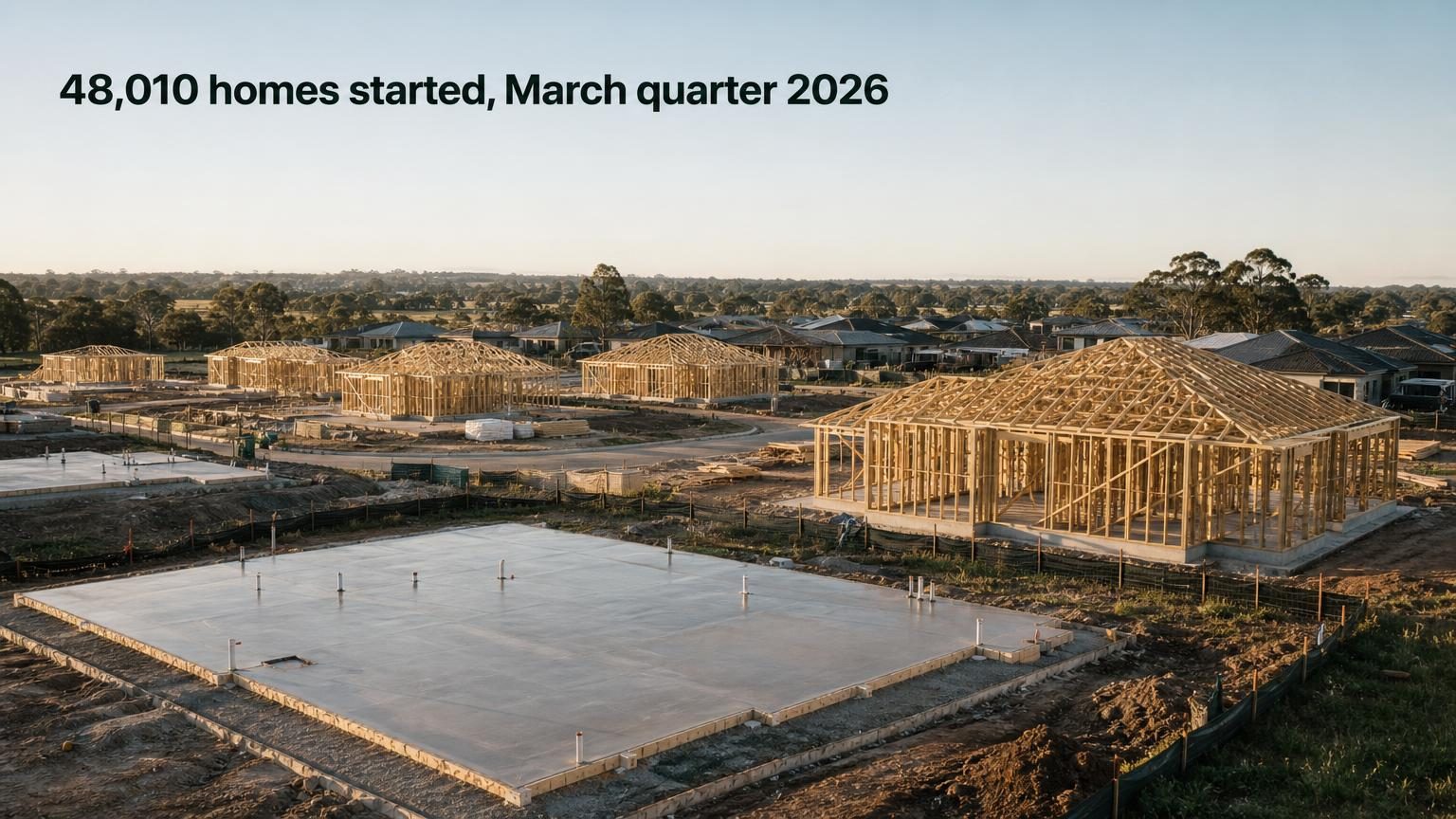
The Housing Industry Association reported that new home sales in Victoria fell by 27.4 per cent in May, the largest monthly decline among the large states. HIA linked the fall to policy uncertainty weighing on new home sales. For builder marketing and sales teams, the signal is clear enough: demand has softened and the pool of active buyers has become harder to convert.
Fewer active buyers changes the economics of enquiry
Soft demand does not always mean cheaper marketing. In many cases, it means more builders chase the same smaller pool of ready buyers. Search demand can thin out, but competitive bidding for high-intent terms can remain firm because builders still need contracts to protect their forward pipeline.
That puts pressure on the middle of the funnel. A display village visit, brochure download or house and land enquiry becomes more commercially important because the next replacement lead may be slower or more expensive to win. The same media budget has to work harder, not just wider.
The danger is that campaign reporting can hide the shift. A lead target may still be met if campaigns pull in softer enquiries, early researchers or buyers outside the builder’s true service area. The problem only appears later, when sales teams report longer follow-up cycles, lower appointment rates and more buyers who are “just looking”.
Buyer hesitation moves into the landing page
When confidence weakens, buyers do not necessarily stop looking. They ask harder questions before they identify themselves. In Victoria, policy uncertainty adds another reason for households to pause, compare and delay. That behaviour changes what a builder’s digital pathway must do.
A generic landing page built around lifestyle imagery and a broad enquiry form is less forgiving in this market. Buyers want to know whether the builder operates in their area, what product suits their budget, how the process works and what happens after they submit details. If those answers are missing, many will return to search rather than become a lead.
This is where conversion work becomes a commercial defence, not a cosmetic website project. Pages linked to paid search should match the intent of the keyword and the buyer’s stage. A “house and land packages Geelong” visitor should not land on the same broad page as someone searching for knockdown rebuild information in Melbourne’s east.
Speed now protects paid media spend
In a softer market, sales follow-up becomes part of media efficiency. The cost of the enquiry is set before the lead reaches the sales team, but the value of that enquiry is decided in the first few minutes and hours after it arrives. Slow response turns paid demand into competitor opportunity.
That does not mean every lead deserves the same sales effort. It means builders need clearer triage. A buyer asking for a specific package, suburb or build type should trigger faster contact than a broad brochure request. Sales teams need to see intent signals, not just name, email and phone number.
Marketing teams can help by reducing ambiguity at the form stage. Suburb, budget range, build timeframe and preferred product type can separate committed prospects from early researchers without creating a form so long that it suppresses enquiry. The aim is not to interrogate the buyer. It is to give sales enough context to respond with relevance.
The response is tighter conversion discipline
Victorian builders should be cautious about solving softer demand by simply adding reach. More impressions will not fix a pathway that loses qualified buyers after the click. The more practical response is to protect high-intent traffic, improve the pages those visitors see, and shorten the time between enquiry and useful contact.
That requires closer alignment between campaign data and sales outcomes. Marketing managers need to know which enquiries become appointments, site visits and deposits, not only which campaigns produce the lowest cost per lead. Sales managers need to feed back the objections appearing most often, particularly around timing, affordability and uncertainty.
The builders best placed in this environment will not be the ones with the loudest campaigns. They will be the ones that waste fewer ready buyers. In Victoria’s softer new home market, conversion discipline has become a pipeline protection measure.